
Upcoming
Canto Para Minha Morte
DramaMystery
A Flash and How It Lasts
Living in Los Angeles, a young Chinese gay man longs for the connection with his estranged father that seems out of reach. One day, his father visits him from China, and he discovers the tenderness and sorrow of his father that he had never seen before.
Charip: Lightning in the River
Documentary
When gold mining threatens their ancestral territory in the Peruvian Amazon, the Wampís Nation rises to defend land, rivers, and sovereignty, confronting global extractivism with resistance and territorial control.
Из глубин
Animation
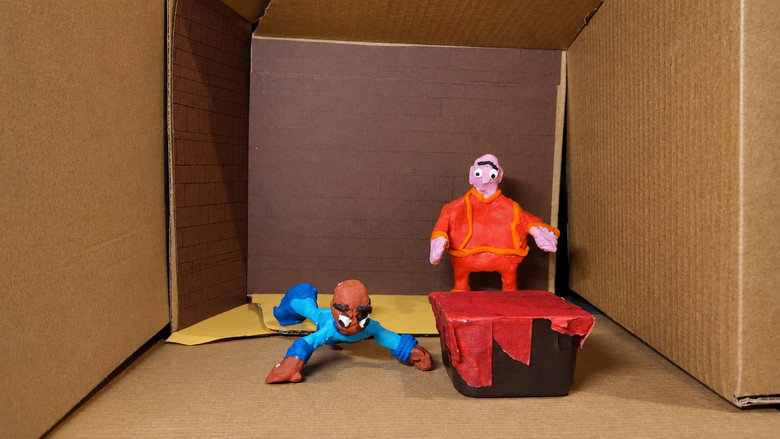
Sixteen-year-old Nadya runs away into the forest after an argument with her deaf mother. In a fit of rage, she smashes trees, awakening the spirit of the forest, the Apple Tree. It takes Nadya to the Upside Down—a world where people who have failed to cope with their pain are transformed into soulless driftwood. The Apple Tree takes Nadya's heart. To get it back and avoid being turned to stone forever, Nadya must endure despair, confront the weeping driftwood, and make a choice: continue to fight or accept her fate. The film is a metaphorical parable about how hatred destroys the soul, while forgiveness and acceptance restore it to life.
Времена любви
Drama
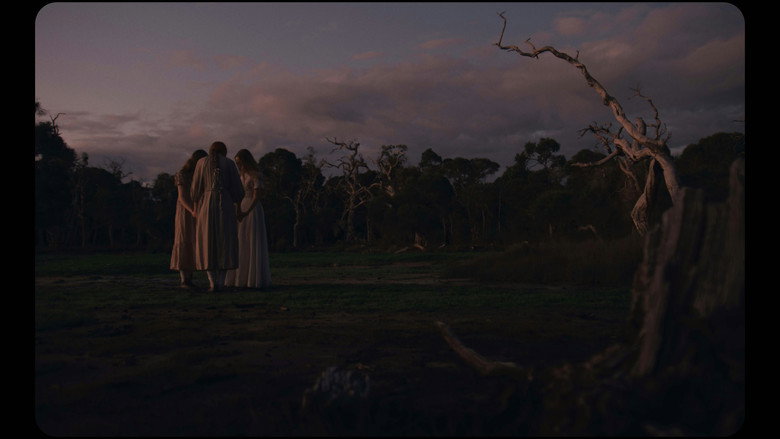
Artem and Tanya are a young couple who separated a few weeks ago. Despite the breakup, they continue to live together in a rented apartment, unable to separate. Despite the chasm of disappointment and misunderstanding that has arisen, strong feelings remain between the couple. Another argument shatters the unbearable circumstances of their protracted separation. However, the question of "how to be together" hangs over the lovers like an unsettling shadow of indecipherability. Trying to answer it, they spend a long night in the confined space of their apartment. Recalling a past they can no longer return and imagining a future that frightens them with its uncertainty, Tanya and Artem wish to grasp the present, where they can live happily together.
Man and Mattress
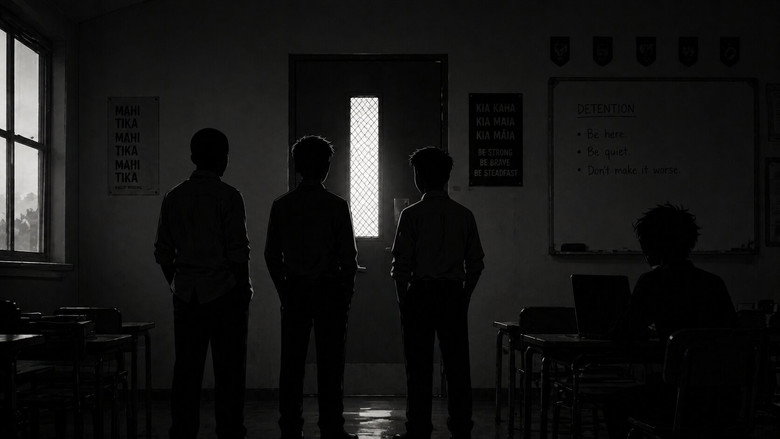
A messy loser is forced to battle his outspoken mattress after refusing to clean his room.
Мастер
Documentary
The documentary "Master" is dedicated to one of the most prominent figures in the history of Russian cinema—the brilliant film scholar, Chairman of the Russian State Cinematography Committee, professor at VGIK, and longtime president of the Window to Europe film festival—Armen Nikolaevich Medvedev. The film's central focus is the 1990s, a turning point for the country and a pivotal moment in Medvedev's career. Separate chapters are devoted to VGIK and the Vyborg Film Festival, the film's subject's beloved creative outlets. The film draws on the recollections of colleagues, friends, and students, who speak with sincere warmth and gratitude about the master's role in their lives and the life of Russian cinema.
Our Bodies Ours
Our Bodies Ours is a short poetic animated film that explores the nuance and beauty of trans becoming from a diasporic lens. Leaning on the music of lyric, it reframes gender-affirming care as an intricate, intimate and meandering act. What does it take to stitch our bodies into their true and ever-changing shapes, to migrate between who we are and who we may become?
Медные тревоги
Animation
A jazz band rehearses in an old bar, creating unique musical abstractions. The arrival of a new saxophonist disrupts the band's usual routine.
Благоустройство
Drama
A hot summer is in full swing. A bronze Pushkin has taken up residence in the city of N. Garbage truck driver Pyotr drives along familiar routes, emptying sun-baked bins. Everyone waits for rain, but only furious thunder rumbles on the sultry evenings, doing nothing to cool the hot Earth. Only the splash of a small fountain offers relief from the stifling boredom. A wedding is in preparation. Pyotr is planning to marry off his only son, a cold and stern figure who is steadfast in his love for his parents. At night, the fountain retires, leaving only Pushkin's bronze shoulder, a place to cool a head weary from the day...
Richard Wagner : “L’or du Rhin” - Festival de Pâques de Salzbourg 2026
Fantasy
Blood Drunk
Drama
In the breakup, Xinyi not only lost a relationship, but also the very thing she needed to survive: blood. The desire and loneliness she could no longer satisfy through her lover overflow like a quiet sin, dripping onto the floor and evaporating under the sunlight of judgment.
Voicemail
The central protagonist of Voicemail is the phone. A conversation happens between voicemail audio from the artist’s late mother and a transcription of his silent responses in the subtitles. The dialogue centers around missed calls, unanswered texts, busy schedules and the concerns of a loving parent.
Так начинается дождь
Animation
A story about a naive squirrel who wanted the sun to always shine.
Принцесса и Дракон
Animation
The princess doesn't want to get married and cries. She finds a toy dragon, and it comes to life. They escape the castle and meet a boy wizard in the forest—Baba Yaga's grandson. The wizard transforms the dragon into a real dragon, which, although it grows in size, is still capricious like a little one, and they have nowhere to live. The wizard performs another miracle, and a magnificent castle appears on the shore. Now everyone is happy—they can peacefully raise the Golden Dragon and continue practicing their magic.
The Beast of Gevautwo
HorrorComedy
Six months after the events of the first film, we find the mayor still alive at the bar, the beast is striking again, so they’ll have to fight back...
For the Boys
A documentary that captures the intimate and moving journey of Mitch Brown, a former professional AFL player who played 84 games for the West Coast Eagles. Nine years after his retirement, he publicly came out as bisexual, becoming the first former elite male Australian rules footballer to openly identify as queer. The narrative centers on his reconciliation with a sport historically shaped by a hyper-masculine culture.