
Documentary
The banquet
Documentary
Right after the Red Army in 1944 was deliberating a little village, Veszto in eastern Hungary, the locals formed their "government", excommunicated the goods remaining in the village and distributed them among the poor. The social experiment only lasted two months, but this episode later became infamous in the communist press of Hungary and was referred to as 'Republic of Veszto'. 35 years later, in 1979, the actors and the witnesses, the representatives of the communist administration back then and the poors of the village get together in a little pub in Veszto and try to resuscitate and evaluate those old days. The memories clash one another.
Fun!
Documentary
Powell‘s long-awaited video Fun
When the Persimmons Grew
Documentary
Immobile in a home where the sands of time fall to the rhythm of the rural Azerbaijani sounds, a mother waits for her son. When he arrives, their conversations circle around existential questions and news from afar. Unrest cloaks the world outside. Mother and son grow closer, silence melts into words, and life springs between them. The son leaves, and winter settles in to the forever-outdated house in which temporalities blurs and past and present beat to the rhythm of the same clock.


Apple Time
Documentary
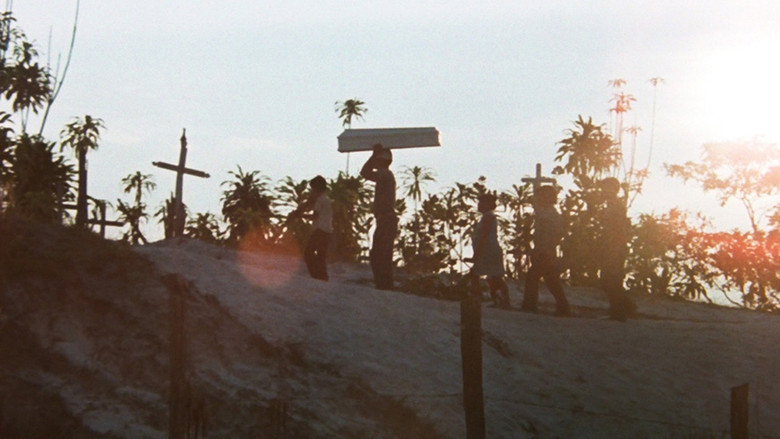
Kristiane Etxaluz, from Soule, and Alfonso Etxegarai, from Bizkaia, are not your usual couple. Committed since their youth to the Basque independence struggle, they are condemned to living their love 7,000 km from one another due to the fact that Alfonso lives on the small African island to which he was deported several years ago. However, despite the banishment, their eyes always follow the country of the Bidasoa and their hearts at apple time; an apple time still to come.
Echoes
DocumentaryHistory
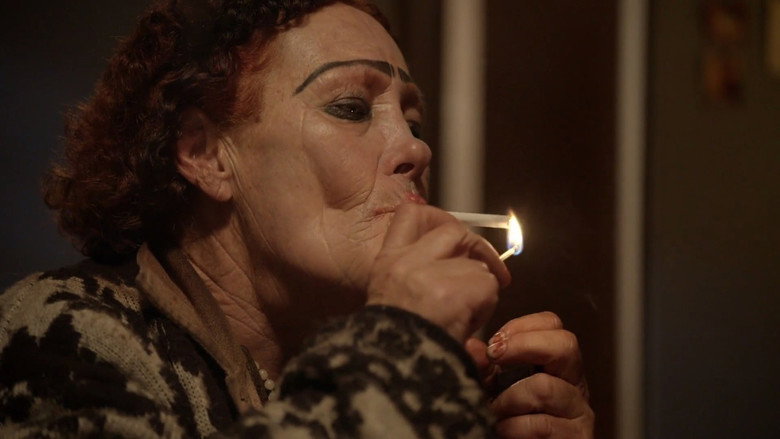
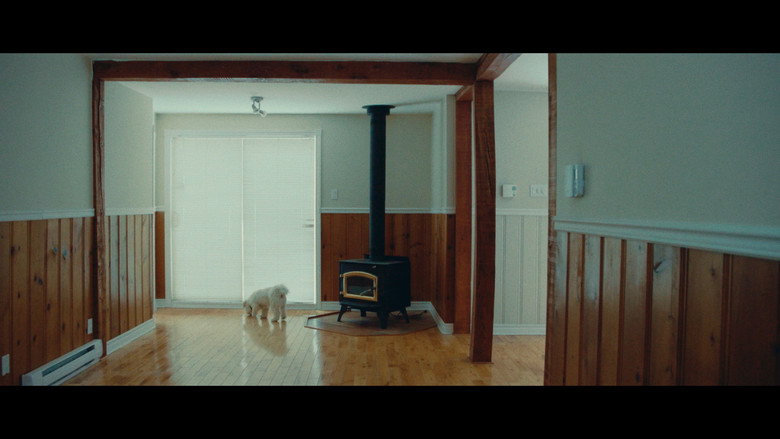
The film reveals the diversity, sound and melody of Romansh, one of Switzerland's four official national languages. In the age of globalization, Romansh, which is only spoken by a small minority, seems to be threatened with extinction. For the protagonists of this poem of images and sounds, however, the language is a symbol of their belonging, their identity and their resistance.

Barnaj
DocumentaryAdventure
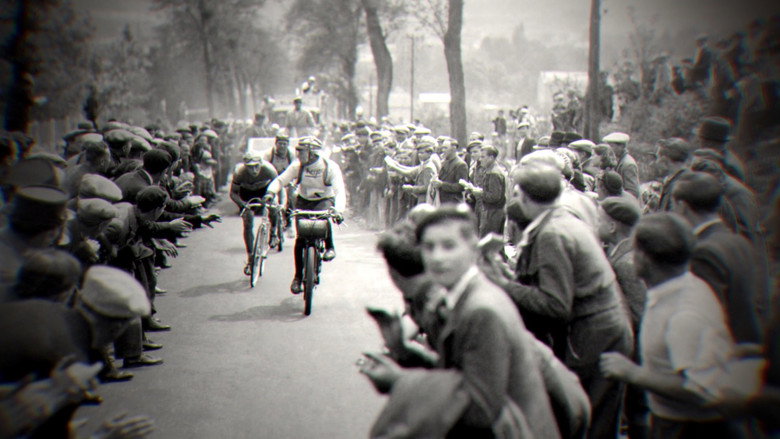
"A small team of British Mountaineers set off overland heading for the 21,000ft Mount Barnaj in the Kishtwar region of the Indian Himalaya. Featuring the great Paul Nunn, along with Geoff Tier and Bob Toogood, this quintessential 1970's film is a rare glimpse into a world that has changed so dramatically on a political level, yet remains very much in the hearts of today's Asian and Himalayan travellers. Part adventure film, part travel documentary and unashamedly a commercial for the long lost British motor industry, the star of the film is clearly the British Leyland Sherpa van. The climb, like many Himalayan peaks, proves hard, and the team fight cold, altitude, snow blindness, constant snow storms and flattened camps on their summit attempts."

Lone Existence
Documentary
For years he has stayed behind closed doors without leaving his home, uttering nothing to anyone. The desire to communicate and the energy to act have completely vanished, and the opportunity to change is dim and distant. This is an attempt by the filmmaker to reappraise the relationship between himself and the world through external observation and self-reflection.
Counterparts
Documentary
Andrea and Krisztina Marics are 28-year-old identical twins with a teaching degree that have lived together since birth. They work together at a touring circus, doing joint artistic performances. After a long circus tour abroad, Andrea leaves the close relationship and ends their work together. She feels that she can succeed on her own. Krisztina still lives and works in the circus but struggles to find her place there without Andrea. After the winter tour, Krisztina has to decide if she stays at home with her sister or continues the life of a wanderer.